
Tongue and groove wall planks have become a popular choice for homeowners and designers alike—and for good reason. At JP Wood Accents, we specialize in high-quality wood products that add warmth, texture and timeless character to any space. If you’re considering using tongue and groove wall planks in your home, you’re likely to have a few questions. Below, we answer some of the most common ones we hear from customers.
What are tongue and groove wall planks?
Tongue and groove planks are wooden boards designed to fit snugly together. One side of each plank has a “tongue” (a protruding edge), and the other has a “groove” (a slot). When installed, the tongue fits securely into the groove of the next plank, creating a seamless, interlocking surface.
Where can I install tongue and groove planks?
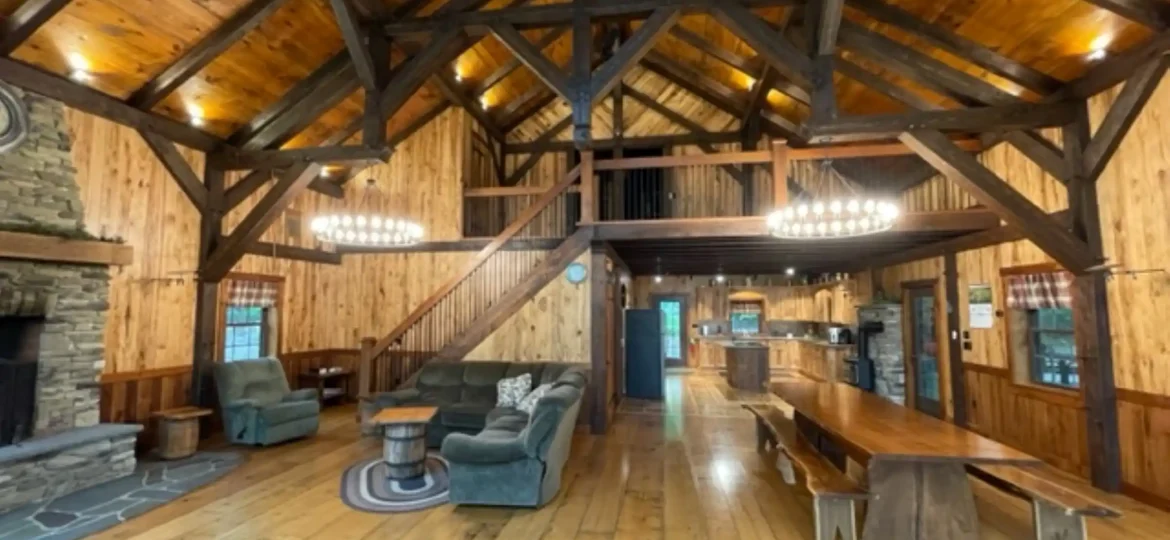
While they’re most often used on walls, tongue and groove planks can also be installed on ceilings or as wainscoting. They’re a great fit for living rooms, bedrooms, entryways, bathrooms (with proper sealing) and even kitchens. They work in both residential and commercial settings.
Do tongue and groove planks come in different colors and finishes?
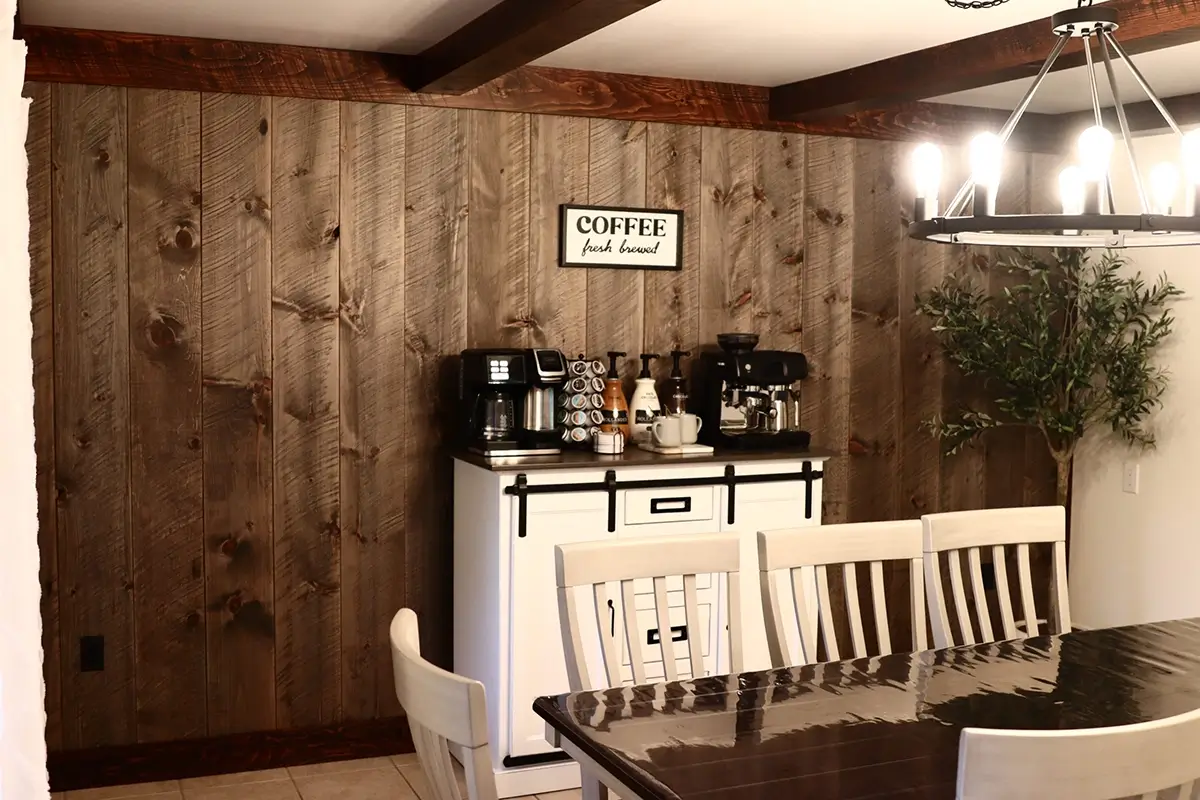
Yes. At JP Wood Accents, we offer a variety of wood colors and finishes. Whether you’re going for a rustic look with an Aged Tobacco finish or prefer something cleaner and more contemporary, we can help you choose the right plank for your space and style.
Can I install tongue and groove planks myself?
Many homeowners choose to DIY their installation, especially if they have some basic tools and carpentry experience. That said, professional installation ensures perfect alignment and a polished finish. We’re happy to walk you through your options either way.
Should I stain or paint my planks before or after installation?
We recommend pre-finishing the planks before installation whenever possible. It helps you get into all the grooves and edges more easily and results in a more even finish.
Are tongue and groove planks better than shiplap?
Tongue and groove creates a tighter, more secure fit and doesn’t leave gaps, and is easier to install than shiplap for the DIY. With tongue and groove the fasteners can be hidden where shiplap needs to be face nailed with nail holes showing.
Can tongue and groove be installed vertically?
Absolutely. While horizontal is more traditional, vertical or even diagonal installation can add visual height and a unique design element to your space.
Still have questions? JP Wood Accents is here to help you select, prepare and install the perfect tongue and groove planks for your next project. Reach out today to learn more about our custom wood options and get started on transforming your space. Call us at 717-636-5496 or contact us!